Updated

Fresh ads on a schedule. Built by agents, signed off by a human.

MakeRoll makes AI UGC ads for US brands on a monthly partnership. You send a one-page brief. We ship 20 to 60 new concepts a month, each with three hooks and a cut for every feed. Nothing reaches you until it clears a 95/100 quality gate.

No discovery call. You get a written scope, priced and dated, within two business days.

Key numbers

  • 60 to 180hook variants a month, depending on plan
  • 95/100minimum score on our 25-check client gate before an ad ships
  • 9:16 · 4:5every concept cut for Reels, TikTok, Shorts and the Meta feed
  • 2 daysfrom brief to a written, priced scope with a start date, in business days
Read this first

Every ad we make is AI-generated, and the people in them are fictional. We don't promise views, sales or ROAS, and none of the ads on our public case pages has run as paid media yet. We do commit in writing to volume, deadlines, the quality gate and a paper trail for every claim.

01 / The math

Your ads already move money. Creative decides how much.

Put in your own numbers. The calculator shows how much revenue runs through your paid social each month, and what a small lift in it is worth. It's plain arithmetic on your inputs. We aren't forecasting anything.

Creative value calculator

Meta, TikTok and YouTube combined, per month
Revenue your ad platforms attribute, divided by spend
What's left of a sale after the cost of delivering it

Revenue your ads drive each month$375,000

That's $4,500,000 a year flowing through creative that wears out.

$135,000extra gross profit a year if better ads lift revenue 5%
$270,000extra gross profit a year at a 10% lift (a what-if)
69.1new ads a month launched by top-quarter accounts your size
Growththe plan built for that volume

Gross profit here is revenue × gross margin. Plan prices come with your written scope, so you can set the fee against these numbers yourself. No lift is guaranteed.

47%of a campaign's sales effect comes from the creative, 56% for digital-only campaigns
5%of ads become winners, and those winners take 55% of spend
134.8new ads a month launched by the top quarter of Meta accounts spending $200k to $1M
$117.7BUS social media ad revenue in 2025, up 32.6% in a year

If one ad in twenty wins, volume is how you find it. Creative share of sales comes from NCS, How Advertising Works (2017). Winner rate, spend share and launch volume from Motion's Creative Benchmarks 2026, which covers 578,750 ads from 6,015 accounts. US social ad revenue from IAB and PwC.

02 / Plans

Four ways in. One standard for every ad.

Each plan is quoted in US dollars in your written scope and billed monthly in advance. Every plan goes through the same gate and ships with the same claims review and rights sheet. Bigger plans buy more ads and more frequent drops, and Scale and Pipeline partner add a weekly read of your ad data.

Pilot sprint

Test the work on your own account before you commit to a month.

Quoted in writing

One time, credited against your first month

8concepts
24hook variants
  • Delivered within 10 business days of an approved brief
  • Both formats, captions and end cards
  • One revision round per concept
  • Before it starts, we agree in writing which numbers you'll judge it on
  • Credited in full against your first month if you continue within 60 days
Start with a pilot

Growth

For accounts spending $50k to $200k a month. Top-quarter accounts that size launch about 69 ads a month.

Quoted in writing

Billed monthly, three-month first term

20concepts a month
60hook variants
  • Two drops a month, the first within 10 business days
  • Two revision rounds per concept
  • A monthly read of your ad-level results shapes the next drop
  • Claims sheet and rights sheet with every drop
Choose Growth
Weekly drops

Scale

For accounts spending $200k to $1M a month. The top quarter of them launch about 135 ads a month.

Quoted in writing

Billed monthly, three-month first term

45concepts a month
135hook variants
  • A new drop every week
  • Weekly read of your results, with the next drop built on the hooks that held attention
  • Two revision rounds, and replies within one business day
  • A private channel with Michael Lip
Choose Scale →

Pipeline partner

For brands and agencies that want the machine in-house, plus the output.

Quoted in writing

Billed monthly, six-month first term

60concepts a month
180hook variants
  • Everything in Scale
  • The agentic pipeline installed on your own cloud and tool accounts, set to your brand, claims and gates
  • Written playbooks and recorded walkthroughs for up to 10 teammates
  • Six-month first term. After that, your team can run it without us
Ask for a pipeline scope
Three-month first term

Growth and Scale start with three months, then run month to month with 30 days' written notice. Pipeline partner starts with six.

What we put in writing

Every ad ships with its gate report. If you find a delivered ad under 95 on that report, or one that breaks your approved claims sheet, tell us within 14 days and we'll remake it free. We don't guarantee performance.

Your media stays yours

Plans cover creative only. You run the ads in your own accounts and keep full control of spend, targeting and the ad data you share.

03 / Production details

For members or partners only.

04 / How a month runs

Agents do the volume. Gates do the saying no.

A team of autonomous agents researches, scripts, casts, shoots and assembles. Four gates sit between those stages, and any of them can reject the work before you see it. The rejection counts on steps 03 and 04 come from the logs of our published Booking Wolf run.

  1. Day 0

    You send one page

    Your product, your audience, the offers you're allowed to run and anything legal has ruled out. We write back with the scope and start date. The first ten hook angles come in the same reply.

    2 daysto a written scope, in business days
  2. Scripts

    Every claim gets traced

    Agents read your site and your approved claims, then write the scripts, and each factual line points back to a source you can check. You approve the claims sheet before anything gets generated.

    1 sheetof approved claims per drop
  3. Gate

    Stills get rejected early

    Characters are cast as still frames first. Face drift, stray limbs, fake status bars and wrong dates get caught here, where a fix is cheap.

    10 of 28stills rejected before any motion
  4. Gate

    Every word is transcribed

    Each clip speaks its scripted line on camera. A transcript check scores it against the script, and a clip that garbles a price, or gets more than about one word in seven wrong, goes back.

    10 of 12clips word-perfect on the first take
  5. Gate

    A 100-point gate, then a blind review

    Twenty-five checks are measured again from each delivered file, including loudness, captions, safe zones and the first word's timing. Then a separate reviewer ranks the cuts without seeing the scores.

    95+to ship, or it's remade
  6. Delivery

    A drop lands in your folder

    Each concept arrives as a 9:16 master and a 4:5 cut, with captions, end cards, the claims sheet, the rights sheet and the AI labels to switch on when you upload. The master runs the full gate, and the 4:5 cut gets its framing, captions and safe zones checked again.

    Partners also get the production ledger for their own ads, down to each paid model call. We share cost breakdowns only after signing.

    2formats per concept, both checked
  7. Learn

    Your spend teaches the next drop

    You share an ad-level export. We read hook retention, thumb-stop rate and cost per result, then build the next drop around what held attention. Growth gets this monthly.

    Weeklyon Scale and Pipeline partner
05 / Compliance

The FTC rule most AI UGC skips. We build around it.

A lot of AI UGC is a fictional customer saying they loved a product they never used. In the US that's a fake testimonial, and the FTC can fine you for each one. So our client formats never pretend to be your customers.

$53,088

That's the maximum civil penalty per violation of 16 CFR 465, the FTC rule on consumer reviews and testimonials in force since Oct. 21, 2024. It bans a testimonial from someone who doesn't exist or never used the product. It also reaches whoever writes or creates it, and an agency counts.

Presenters, not fake customers

In client work, our AI characters speak as presenters or in clearly staged scenes. They explain your offer. They never claim they bought it or that it changed their life, because the FTC Endorsement Guides bar presenting anyone as a customer who isn't one.

You sign off every claim

Prices, results and product facts come from your site or your written approval. The claims sheet travels with every drop so your legal team can check it line by line.

On-screen and platform labels

Every client ad with a realistic AI person carries a short on-screen line saying so. New York has required a clear disclosure since June 9, 2026, and TikTok rejects AI ads without its label, so we add the line and tell you which platform label to switch on.

No real faces or voices without consent

We don't imitate real people. If you want your founder or a spokesperson in the ads, we need their written consent first, and the rights sheet records it.

A rights sheet for every ad

Models, music and source material are logged for each ad. You get a clear list of what's safe to run in paid media and anything we'd hold back.

We're describing our process here, and it isn't legal advice. Your counsel should review claims for regulated categories such as health, finance and supplements before any ad runs. Rule text at the FTC, the penalty amount in the FTC's 2025 adjustment, and the New York law, S.8420-A, in Cooley's summary.

06 / Proof

The work is public. Open any of it.

Three published case studies show the same pipeline that runs your drops, from the first prompt to the gate reports. None of these ads has run as paid media, so there's no audience data yet. Your pilot is where the first performance numbers come from.

3 of 4Booking Wolf ads cleared 95/100, and the fourth was never finished
8 of 8third-run ads cleared every hard gate, four after one fix, and seven scored 95 or more
0.00 sfirst spoken word in all eight re-shot ads, down from an average of 1.33 s
4gates between the build stages, from stills to a blind review
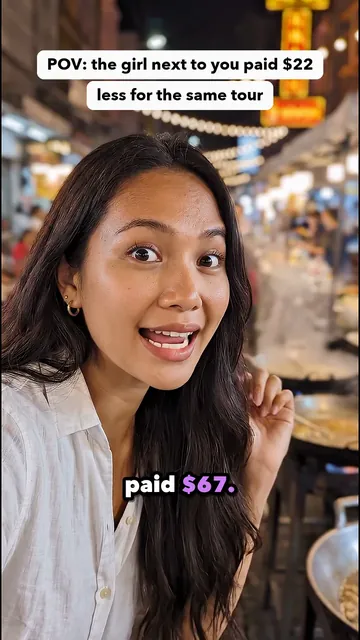
An AI-generated character talks to the camera at a night market. Frame from the Booking Wolf case.
Four AI UGC ads for a hotel-rate siteOne prompt, a team of agents, every stage and gate report on the page.
Open the case →
Jiwoo, an AI-generated fictional character, smiles into a selfie camera beside a white golf cart.
AI UGC ads case study, eight examplesFour stories, each with an A and a B hook, re-shot after Michael Lip sent run 2's openings back.
Open the case →
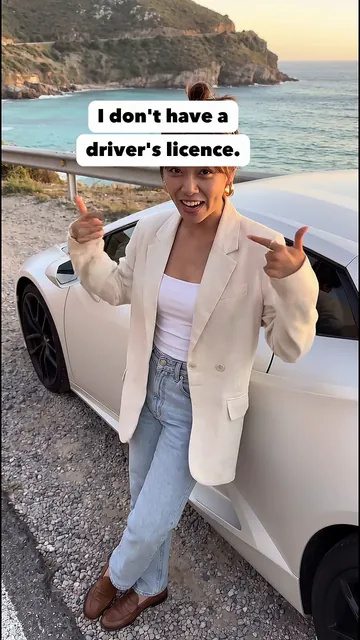
Linh, an AI-generated fictional character, points at herself beside a white sports car on a coastal road.
Eight AI UGC ads MakeRoll made for itselfRun 2, kept public with the critique that led to run 3.
Open the case →

These were internal test runs made before any client brief. Some use a selfie format where a fictional person talks as if they used the product, which client work doesn't do. Booking Wolf hasn't endorsed or commissioned these pages, and every person in the ads is an AI-generated fictional character.

07 / Questions

What buyers ask before they send a brief.

Anything else goes to support@makeroll.com. We answer in writing within one business day.

What you own after delivery
You get a perpetual license to use everything we deliver in paid and organic media, and we don't reuse your characters or footage for anyone else. The US Copyright Office says purely AI-generated material can't be copyrighted, so nobody can promise exclusive rights in raw generations. The rights sheet lists each AI tool's commercial terms for every ad.
Can you show our physical product?
Yes, from the product photos you send. We check every frame for the product's shape, label and color. If an ad needs a real person handling it to make a claim true, that's a job for a human creator, and we'll say so in the scope. None of our published cases shows a physical product yet, so the pilot is where you'll see yours.
When a drop underperforms
Some concepts will. That's why you get three hooks per concept and why we read your results before building the next drop. If a delivered ad scores under 95 on its gate report, tell us within 14 days and we remake it free.
Why there's no sales call
Because a brief is faster. You send one page, and we send back a written scope with the plan, start date and first hook angles within two business days. Everything we agree stays in writing, which your team can check later.
How contracts and payment work
Plans are billed monthly in advance in US dollars. Autom8 LLC, the company behind MakeRoll, invoices you. Growth and Scale have a three-month first term, Pipeline partner has six, and after that you can stop with 30 days' written notice. Partnerships run on a written services agreement we send with your scope, and the membership terms elsewhere on this site don't apply.
Who this is for
Brands already spending on Meta, TikTok or YouTube that need more creative than their team can produce. Apps, SaaS, services, courses and ecommerce all fit. Regulated claims in health, finance and supplements need your counsel's sign-off first.
No ad of ours has run as paid media yet
That's true, and every case page says it. Before a pilot starts, we agree in writing which numbers you'll judge it on, and the pilot credit stays open for 60 days so you have time to read them.
AI UGC compared with human creators
We know of no solid published study showing that AI UGC converts better than human UGC. What AI changes is volume, speed and price per variant, and a creative-testing program runs on those.
How is this different from a MakeRoll team invitation?
An invitation gets your team into the weekly build room, where you learn to make these ads yourselves and pay your own generation costs. A business partnership is done for you, with set volumes, deadlines and a contract.
Agents, and the one human who signs off
Autonomous agents do the research, scripting, generation and assembly. Michael Lip designs the pipelines and gates. He signs off every drop himself, and because he reviews every delivery, we cap how many partners start each month.

08 / Start

Send one page. Get a scope back in two business days.

Email support@makeroll.com with the subject line “Business partnership”. Include these five things and we'll do the rest in writing.

  1. Your company and website
  2. Monthly paid social spend and the platforms you run
  3. The plan you're leaning toward, or pilot first
  4. Offers and claims you're allowed to make
  5. When you'd like the first drop
Email the brief →
60 days
to turn your pilot fee into full credit against your first month
2 days
to turn your brief into a written, priced scope with a start date, counted in business days
0 calls
needed at any point. Every decision is written down
MakeRoll for business

Start a MakeRoll business partnership

Your ad account needs new creative every week. We'll make it and gate it. You keep the paper trail.